1. Introduction to Cape Cod Home Expansions
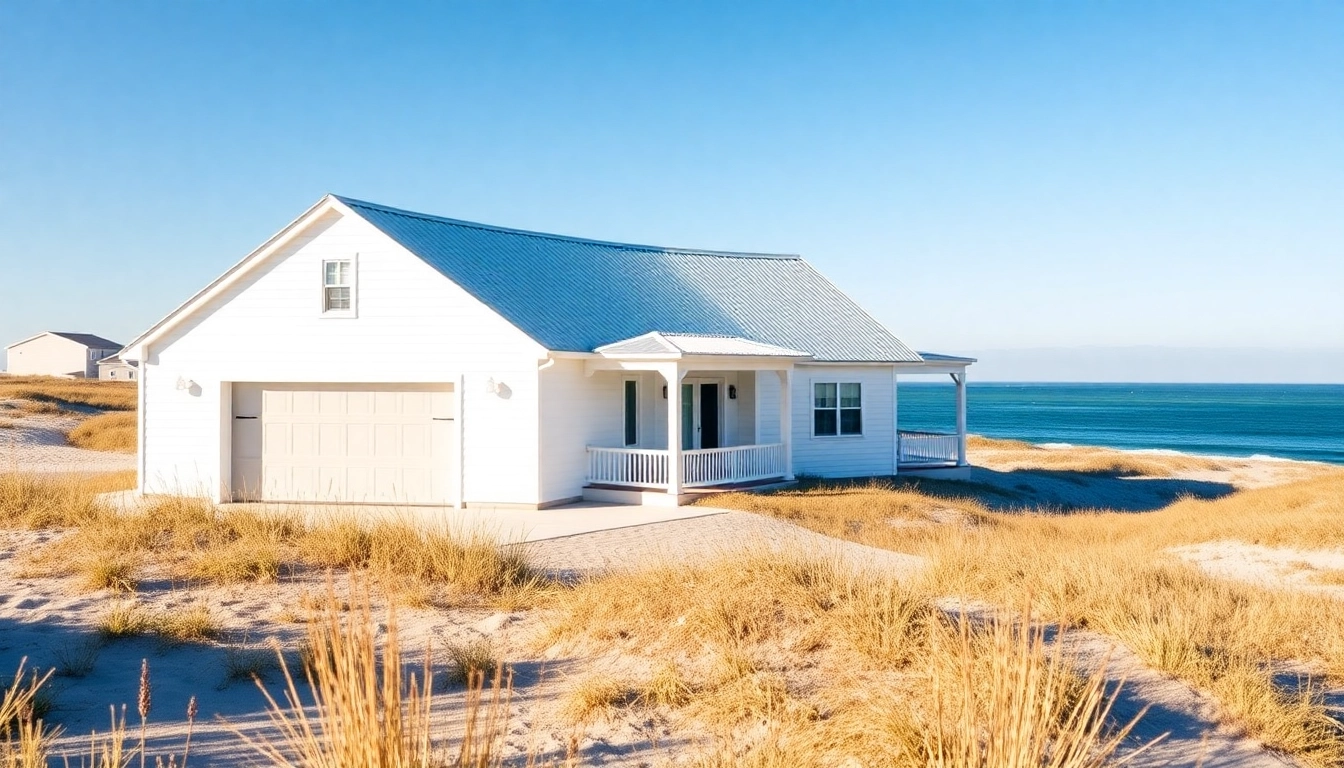
The classic architecture of a cape cod home evokes a sense of warmth, charm, and timelessness. However, as families grow and lifestyles evolve, many homeowners find themselves considering ways to enhance their beloved abodes. Home expansions, including the addition of attached garages, can not only improve functionality but also preserve the aesthetic appeal that is characteristic of these iconic homes. This guide explores the importance of planning and designing a seamless and functional expansion to your Cape Cod home.
1.1 What Is a Cape Cod Home?
A Cape Cod home is steeped in history. Originating in the 17th century, these homes are characterized by their steep pitched roofs, symmetrical facades, and dormer windows designed to make the most of the available space and light. Typically constructed of wood and often painted in muted colors, they reflect the natural landscapes of New England, particularly the Cape Cod region. Due to their simple yet effective design, Cape Cod homes are versatile enough to accommodate modern lifestyles while retaining their classic charm.
1.2 Benefits of Expanding Your Cape Cod Home
The primary benefit of expanding your Cape Cod home is the increased space it provides. This can be essential for growing families or for those who require more room for hobbies or work-from-home setups. Beyond mere expansion, thoughtfully designed additions can significantly increase your property’s value. Moreover, expansions can enhance the overall functionality of your home, offering more convenient layouts and improved access to key areas like kitchens and living spaces.
1.3 Understanding Attached Garages in Design
Attached garages add undeniable convenience and can serve as an extension of your living space. They provide easy access to your home, shelter your vehicles from the elements, and often serve as storage areas for tools, bicycles, and outdoor equipment. In terms of design, a well-executed attached garage can complement and enhance the appearance of your Cape Cod home while ensuring functionality. Consideration must be given to aesthetics, materials, and structural integration with the existing home.
2. Planning Your Cape Cod Home Expansion
2.1 Assessing Your Current Space Needs
Before embarking on an expansion project, it’s crucial to assess your current and future space requirements. Engage your family members in discussions to determine what specific needs are not being met. Do you need additional bedrooms, a home office, or maybe a play area for children? Conducting a thorough needs assessment will guide your expansion strategy and help avoid unnecessary modifications down the line.
2.2 Key Considerations for Garage Design
Incorporating an attached garage into your home expansion requires a well-thought-out design approach. Key considerations include ensuring the garage is aligned with the architectural style of your Cape Cod home. Material choice plays a significant role; opt for wood siding, shingles, or other elements that complement your home’s exterior. Additionally, maximize functionality by planning for ample storage solutions and ensuring proper lighting, airflow, and insulation within the garage space.
2.3 Budgeting for Your Home Expansion Project
Creating a budget for your Cape Cod home expansion is vital. Start by estimating costs related to design, materials, labor, and permitting. It’s advisable to include a contingency fund of around 10-20% of your total project budget to account for unexpected expenses. By thoroughly researching costs and researching materials, you’ll have a clearer picture of the financial commitment needed to achieve your vision.
3. Design Ideas for Cape Cod Home Expansions
3.1 Integrating Modern Features into Traditional Styles
As you plan your expansion, think about how to incorporate modern conveniences while maintaining the traditional style of your Cape Cod home. Consider open-concept layouts, energy-efficient appliances, and smart home technologies, which can enhance daily living while preserving the home’s character. Unique design features like large windows or vaulted ceilings can bring in more natural light and create a contemporary feel without compromising the home’s classic elements.
3.2 Choosing Materials for Authenticity and Function
Material selection is crucial in preserving the integrity of a Cape Cod home during an expansion. Opt for durable materials that echo the original design, such as cedar shingles or clapboard siding. For interiors, consider hardwood flooring and beams that align with the traditional aesthetic while also offering practical benefits, like low maintenance and durability. Using authentic materials not only sustains the historical value but also enhances the appeal to potential future buyers.
3.3 Outdoor Living Spaces with Attached Garages
The addition of outdoor living spaces can significantly improve your lifestyle and the marketability of your home. If incorporating an attached garage, consider designing an outdoor patio or deck accessible from that area. These spaces can function as extensions of your living area, perfect for entertaining guests or enjoying family time outdoors. Additionally, landscaping that complements your expansion can tie the outdoor and indoor spaces together seamlessly.
4. Construction and Permitting Process
4.1 Finding a Reliable Contractor
Choosing the right contractor is imperative for the success of your home expansion project. Research local contractors who specialize in residential expansions, particularly those with experience in Cape Cod architecture. Review their portfolios, check references, and request detailed quotes before making your decision. A reputable contractor will work closely with you to ensure that your vision is realized while adhering to quality standards and timelines.
4.2 Navigating Local Building Codes
Understanding the local building codes and zoning regulations is vital before starting your expansion. Cape Cod may have specific guidelines related to historical preservation, environmental concerns, and construction practices. Familiarizing yourself with these codes will not only help prevent costly mistakes but will also ensure that your project adheres to local standards and is structurally sound. Consulting with your contractor can greatly assist in navigating these requirements efficiently.
4.3 Timeline for Your Home Expansion Project
Establishing a firm timeline for your expansion project helps in managing expectations and keeping the project on track. Generally, home expansions can take several months, depending on the scale of the project, weather conditions, and availability of materials. Create a phased timeline that outlines key milestones from design approval, construction start, and completion. Regular communication with your contractor will help manage any delays and keep the project progressing smoothly.
5. Frequently Asked Questions
5.1 What are the typical costs associated with a Cape Cod home expansion?
The costs vary widely based on the size and complexity of the project, materials chosen, and contractor fees. On average, a home expansion can range from $100 to $300 per square foot.
5.2 How can I ensure my new garage matches my home’s style?
Incorporate similar materials, rooflines, and architectural details in your garage design that echo the existing Cape Cod elements. Consult with a designer specializing in historic preservation.
5.3 What permits do I need for a home expansion in Cape Cod?
You’ll typically need a building permit and possibly zoning approval, especially for alterations in historic districts. Check with local building officials to ensure compliance.
5.4 Can I add living space above my attached garage?
Yes, adding living space above your garage is a popular option that maximizes space. Ensure the design complies with building codes and maintains the aesthetic of the home.
5.5 What are some design trends for Cape Cod homes today?
Current trends include open-concept living spaces, sustainable building materials, and energy-efficient designs. A blend of modern and traditional styles is increasingly popular.