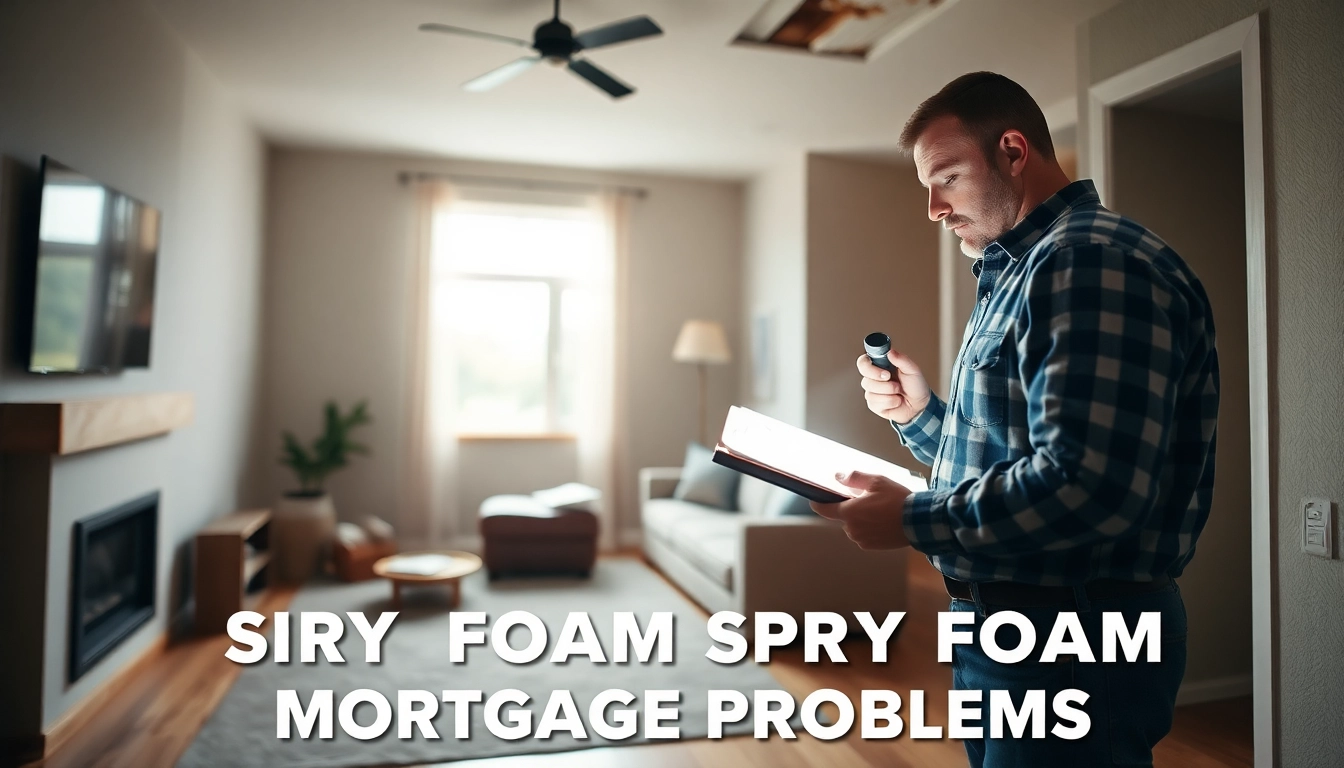
Introduction to Spray Foam Mortgage Problems
Spray foam insulation is a popular choice among homeowners and builders thanks to its effective thermal performance and air-sealing abilities. However, individuals looking to finance their properties with spray foam insulation may run into various challenges, collectively referred to as spray foam mortgage problems. Understanding these challenges is crucial for anyone considering a mortgage on a property utilizing spray foam insulation, as they can impact both the approval process and the long-term value of the home. This article delves into the nuances of spray foam insulation, potential mortgage-related complications, and systematic solutions to help navigate these challenges effectively.
Understanding Spray Foam Insulation
Spray foam insulation consists of two primary materials—isocyanate and polyol resin—that, when combined, expand rapidly and harden. This unique property allows spray foam to fill small cracks or holes, thereby creating an airtight seal that is highly effective for insulation. Homeowners appreciate its energy efficiency, as it significantly reduces heating and cooling costs. Furthermore, spray foam insulation can enhance home comfort and reduce noise pollution. However, its application comes with specific characteristics that may lead to spray foam mortgage problems.
Common Issues Related to Mortgages
While spray foam insulation offers various benefits, it can also lead to several issues when securing a mortgage. These issues stem from aspects such as property appraisals, insurance implications, and potential conflicts that arise during the home selling process. Understanding these common issues will enable homeowners and potential buyers to prepare accordingly.
Identifying Key Challenges
Property Appraisal Concerns
One of the most significant hurdles faced by homeowners and mortgage seekers with spray foam insulation relates to property appraisals. Appraisers often have varying comfort levels with spray foam insulation, primarily due to a lack of universal standards governing its use and installation. If an appraiser views spray foam insulation unfavorably, it can result in a lower property value assessment, affecting the overall mortgage amount a lender is willing to extend to the buyer or homeowner. It’s essential to communicate with appraisers and ensure that they consider the benefits of high-performance insulation techniques.
Insurance Implications
Another concern related to spray foam mortgage problems is how homeowners insurance companies assess properties with spray foam insulation. Some insurers may view improperly applied or non-compliant spray foam as a liability, leading to increased premiums or even denial of coverage. It’s crucial for homeowners to understand the insurance implications and ensure that their insulation is installed according to industry standards to mitigate any complications during the mortgage process.
Resale Value and Marketability
The presence of spray foam insulation can also influence a property’s marketability. Homes with well-installed spray foam may attract buyers willing to pay a premium for energy efficiency. Conversely, any documented issues with spray foam—such as improper installation or moisture concerns—can deter prospective buyers, which in turn can affect resale value. Therefore, homeowners need to maintain clear documentation on the installation and upkeep of spray foam insulation for reference when selling.
Mitigating Spray Foam Issues
Inspection and Compliance
One of the best ways to mitigate potential spray foam mortgage problems is through thorough inspections and adherence to compliance measures. Homeowners should engage certified insulation professionals for routine checks to ensure that the spray foam is functioning correctly and meeting building codes. Keeping records of these inspections can assist during the mortgage approval process and provide assurance to potential buyers during resale.
Working with Mortgage Lenders
Communicating with mortgage lenders is vital for those wishing to navigate the complexities of spray foam insulation. Providing documentation from qualified inspectors can help alleviate concerns lenders may have regarding the property’s value and insurability. Open dialogue about any potential issues with spray foam insulation will also foster a better understanding of the lender’s requirements, increasing the chances of securing favorable financing terms.
Communication with Real Estate Agents
Real estate agents can act as crucial intermediaries during the mortgage process for homes with spray foam insulation. By communicating openly with agents about any challenges posed by the spray foam, homeowners can arm them with the necessary information to respond to potential buyers’ concerns proactively. This step can also help agents market the property effectively, underscoring the benefits of the insulation rather than its challenges.
Solutions and Best Practices
Hiring Qualified Inspectors
To maintain the integrity of a home with spray foam insulation, homeowners should prioritize hiring qualified inspectors with specialized knowledge of insulation systems. Look for inspectors who have specific training in spray foam and are familiar with local building codes. Recommendations and accreditation reviews can guide the selection process. Engaging qualified professionals not only enhances the insulation’s effectiveness but also creates a clearer path during mortgage transactions.
Documenting Repairs and Improvements
Documentation is critical in the realm of spray foam mortgage problems. Keeping meticulous records of inspections, repairs, and improvements made to the insulation can bolster the case for lenders and insurers. It demonstrates that the homeowner maintains high standards of care, potentially leading to more favorable responses during loan applications or insurance underwriting processes.
Understanding Local Regulations
Local regulations regarding insulation types can vary dramatically. Understanding these regulations is key to avoiding compliance issues that may hinder mortgage approvals. Homeowners should familiarize themselves with building codes and standards in their areas, ensuring that their spray foam insulation installation meets the necessary legal requirements. Consulting with local building departments can also provide clarity on regulations specific to spray foam usage.
FAQs About Spray Foam Mortgage Problems
What are the common problems with spray foam insulation?
Common problems include improper installation, moisture issues, and lack of ventilation that may affect home value.
How can spray foam impact my mortgage?
Impact may arise from appraisal challenges, potential insurance complications, and resale concerns.
What should I do before getting a mortgage with spray foam?
Get a thorough inspection, verify installation quality, and consult with your lender about any specific requirements.
Can spray foam issues affect home insurance?
Yes, if improperly installed or if it leads to moisture problems, insurers could raise premiums or deny coverage.
How do I choose an inspector for spray foam issues?
Look for inspectors with experience in spray foam, positive reviews, and relevant certifications.