
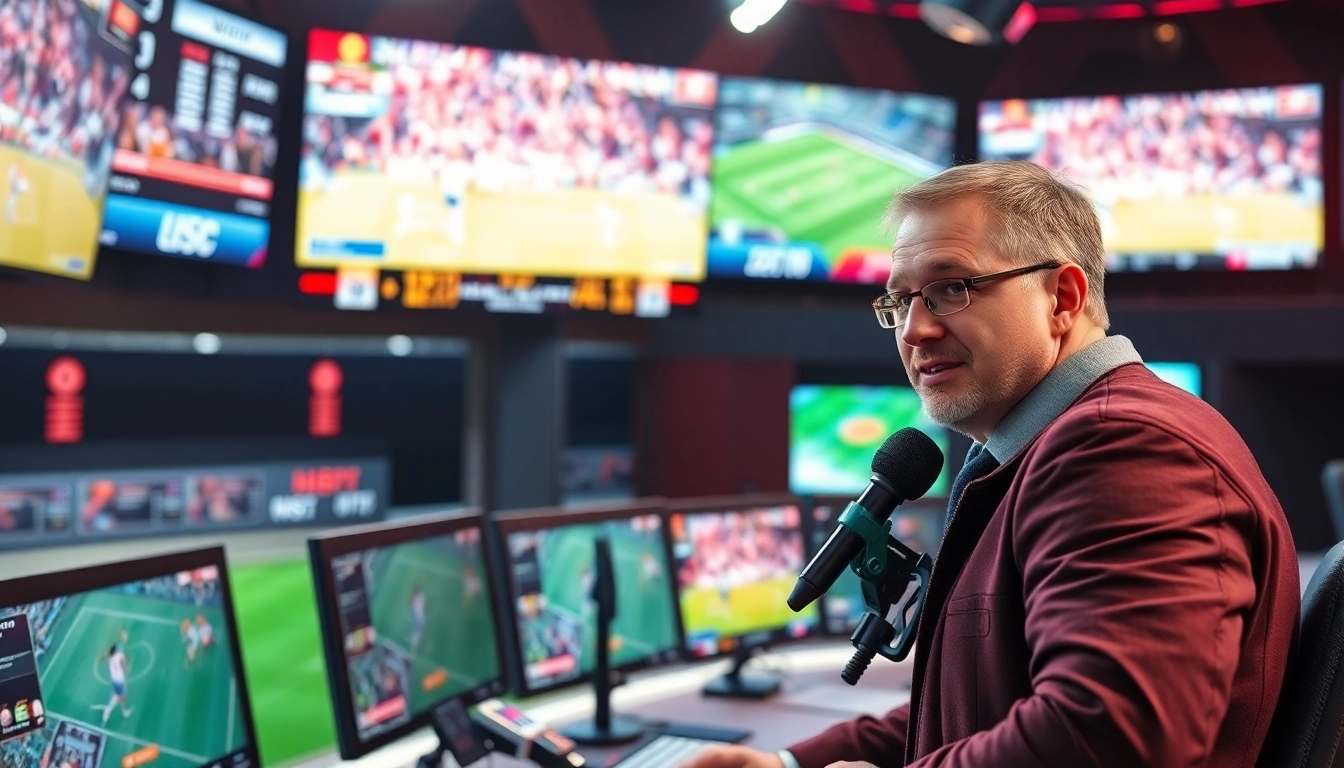
Understanding Sports Broadcasting
Definition and Importance
Sports broadcasting refers to the live coverage of sporting events through various media channels, such as television, radio, and increasingly, online platforms. This element of sports plays a crucial role in engaging fans, providing commentary, and delivering live sports coverage that enhances the viewing experience. Not only does it fulfill the entertainment needs of audiences, but it also serves as a platform for advertisements, sponsorships, and generating revenue for leagues and teams. The Sports Broadcasting industry has evolved exponentially, aligning closely with technological advancements, audience preferences, and market demands.
The Role of Technology
Technology is at the heart of modern sports broadcasting. From high-definition cameras to the use of drones, technology enhances both how sports are presented and how viewers consume content. Innovations such as augmented reality (AR) and virtual reality (VR) offer immersive viewing experiences, while various analytical tools aid broadcasters in delivering statistics and player information in real time. Furthermore, streaming services have brought about a fundamental shift, allowing fans to watch their favorite sports anytime and anywhere, which is critical in today’s fast-paced world.
Key Stakeholders Involved
The sports broadcasting ecosystem is composed of various stakeholders, including sports leagues, broadcasting networks, production companies, advertisers, and, of course, the viewers. Each of these groups plays a pivotal role in shaping the landscape of sports media. Sports leagues negotiate broadcasting rights to monetize games, whereas networks are tasked with carving out unique narratives around events while adhering to regulatory standards. Advertisers focus on maximizing their outreach through targeted campaigns during broadcasts, and audiences dictate trends with their consumption habits.
Historical Overview of Sports Broadcasting
Significant Milestones
The journey of sports broadcasting began with radio broadcasts in the early 20th century, progressing to television broadcasts that revolutionized how fans engaged with sports. The first televised sporting event was a college baseball game in 1939. The establishment of landmark events, like the Summer Olympics, showcased the vast potential of sports broadcasting to a wider audience. The introduction of cable TV further expanded access to sports content, bringing niche sports to mainstream audiences, which further fueled their popularity.
How It Changed Over Decades
Over decades, sports broadcasting has transformed dramatically. From the initial radio broadcasts to black-and-white television and finally to high-definition and 4K streaming, the evolution is stark. Each technological advancement has enabled broadcasters to provide more comprehensive coverage, new ways of storytelling, and a more interactive experience for fans. Furthermore, with the rise of digital platforms, live sports coverage has become more accessible than ever, with viewers able to watch games on various devices, changing the dynamic of how content is consumed.
Influential Figures in Sports Broadcasting
Numerous figures have impacted the world of sports broadcasting, setting standards and nurturing talent within the industry. Pioneers like Howard Cosell brought bold commentary and storytelling to sports, while figures like Jim Lampley shaped the landscape of boxing coverage. Today, influencers continue to emerge, using platforms like social media to engage audiences in new, dynamic ways. These individuals not only shape the narrative around sports but also guide broadcasting strategies into the future.
Current Trends in Sports Broadcasting
Integration of Streaming Services
The influx of streaming services has disrupted traditional sports broadcasting considerably. Services like ESPN+, NBC Sports, and others provide fans with access to live events without the need for traditional cable subscriptions. This shift has created greater flexibility for viewers, allowing them to choose subscription packages that suit their preferences. Streaming platforms have also experimented with innovative formats, such as multi-camera views, allowing fans to tailor their viewing experience significantly.
The Impact of Social Media
Social media platforms have become integral in sports broadcasting by promoting viewer interaction and engagement. Networks and leagues utilize platforms like Twitter, Instagram, and Facebook to share highlights, behind-the-scenes content, and real-time updates during games. User-generated content also allows fans to contribute to the conversation, expanding the reach of broadcasts. This interaction not only enhances the viewing experience but also helps broadcasters adapt to the growing demand for immediate, consumable content.
Data Analytics in Sports Coverage
Data analytics has emerged as a key component in enhancing sports broadcasts. Networks employ sophisticated algorithms to analyze player performance, predict outcomes, and even tailor advertisements based on viewer habits. This analytical approach not only enriches commentary during broadcasts but also personalizes viewing experiences, keeping fans engaged through relevant statistics. Data-driven insights help to provide deeper narratives around games, giving context to performance metrics that would traditionally pass unnoticed.
Challenges in Sports Broadcasting
Navigating Rights Issues
One of the primary challenges in sports broadcasting is navigating complex rights issues. Broadcasting rights are often subject to intricate negotiations, determining who holds the ability to air certain games or events. This situation can lead to blackout restrictions and limitations on access. With the rise of international partnerships and global broadcasts, legal teams must work diligently to ensure all agreements are met while also protecting intellectual property rights of both leagues and networks.
Adapting to Changing Viewer Preferences
As viewer preferences evolve, broadcasters must be agile in adapting their strategies. The demand for interactive and on-demand content has risen, forcing traditional broadcasters to innovate to keep pace with audience expectations. Catering to the millennial and Gen Z demographics requires a shift in programming choices, social media engagement, and the overall narrative surrounding sports. Failure to evolve with viewer preferences can lead to decreased engagement and viewership.
Maintaining Viewer Engagement
Keeping the audience engaged is an ongoing challenge in sports broadcasting. With numerous entertainment options competing for attention, it is essential for broadcasters to create compelling content that resonates with viewers. This may include leveraging storytelling, utilizing multi-platform reach, or even exploring partnerships with influencers to draw in new viewers. Regularly refreshing content offerings and maintaining high-quality production standards will help ensure audiences remain interested in broadcasts.
The Future of Sports Broadcasting
Innovations to Watch
Looking to the future, several innovations are on the horizon for sports broadcasting. Developments in AI will further streamline production processes, enabling real-time decision-making and personalized viewing experiences. Enhanced viewer interactivity through AR and VR technologies will redefine how fans engage with their favorite sports. The pursuit of a multi-sensory experience will provide audiences with immersion and emotional connection that goes beyond traditional visuals.
Potential Market Changes
Market dynamics are anticipated to shift as viewer habits change, especially given the increased consumption of digital content. Broadcast networks may need to restructure their programming and advertising strategies in response to these changes. As streaming services continue to capture larger audiences, traditional networks may need to rethink their approaches to remain competitive. Strategic partnerships, mergers, and acquisitions may become commonplace as entities strive to secure their place in the evolving marketplace.
Preparing for New Technologies
To remain relevant, professionals in the sports broadcasting industry must continuously prepare for new technologies. Staying informed about trends in AI, machine learning, and platform development is vital for maintaining a competitive edge. Additionally, embracing flexible approaches to production and distribution can help networks adjust to fast-evolving consumer and technological landscapes effectively.
FAQs
What is Sports Broadcasting?
Sports broadcasting is the live telecasting or streaming of sports events through various channels, engaging fans and providing commentary and analysis.
How has technology changed Sports Broadcasting?
Technology has transformed sports broadcasting with enhancements in viewing quality, the introduction of streaming services, and immersive experiences through AR and VR.
What are common challenges faced in Sports Broadcasting?
Challenges in sports broadcasting include navigating broadcasting rights, adapting to changing viewer preferences, and maintaining audience engagement amid competitive options.
How can streaming services impact Sports Broadcasting?
Streaming services provide accessible and flexible viewing options, disrupting traditional broadcasting by allowing fans to customize their sports consumption experience.
What are the future trends in Sports Broadcasting?
Future trends may include immersive technologies like AR/VR, increased personalization through AI, and changes in market dynamics as digital content consumption grows.