Understanding the Importance of Track Inspection
Track Inspection is a critical component of railway safety and maintenance, ensuring that the infrastructure is in optimal condition for safe operation. The frequent and thorough examination of rails, ties, and other components can catch inconsistencies or damages before they evolve into serious problems. The significance of Track Inspection extends beyond safety; it also includes regulatory compliance, operational efficiency, and cost-effectiveness in maintenance practices.
Why Track Inspection Matters for Rail Safety
The primary purpose of track inspection is to prevent accidents that can arise from track failures. Studies have shown that regular inspection dramatically reduces risks by identifying flaws early—substandard tracks can lead to derailments, injuries, and substantial financial losses. A robust track inspection regimen is instrumental in maintaining the integrity of the rail infrastructure, enhancing public confidence in rail transportation.
Consequences of Neglecting Track Inspection
Neglecting track inspection can have dire consequences. It may lead to catastrophic failures, resulting in train derailments, which could involve loss of life, property damage, and severe service disruptions. Additionally, it can incur costly penalties for non-compliance with federal safety regulations, which are designed to uphold safety standards on railroads. History has shown that many rail disasters can be traced back to ignored maintenance issues that could have been resolved through diligent inspection practices.
Track Inspection in Regulatory Compliance
Federal regulations mandate specific inspection standards that railroads must follow to ensure safety and compliance. Regulatory bodies, such as the Federal Railroad Administration, require documentation of regular inspections and monitoring adherence to safety protocols. Maintaining meticulous records not only aids in compliance but also enhances operational accountability and establishes a culture of safety within organizations.
Methods of Track Inspection
Various track inspection methods are employed to ensure comprehensive and effective rail monitoring. These methodologies range from traditional manual inspections to advanced automated systems that leverage technology for greater accuracy and efficiency.
Manual Track Inspection Techniques
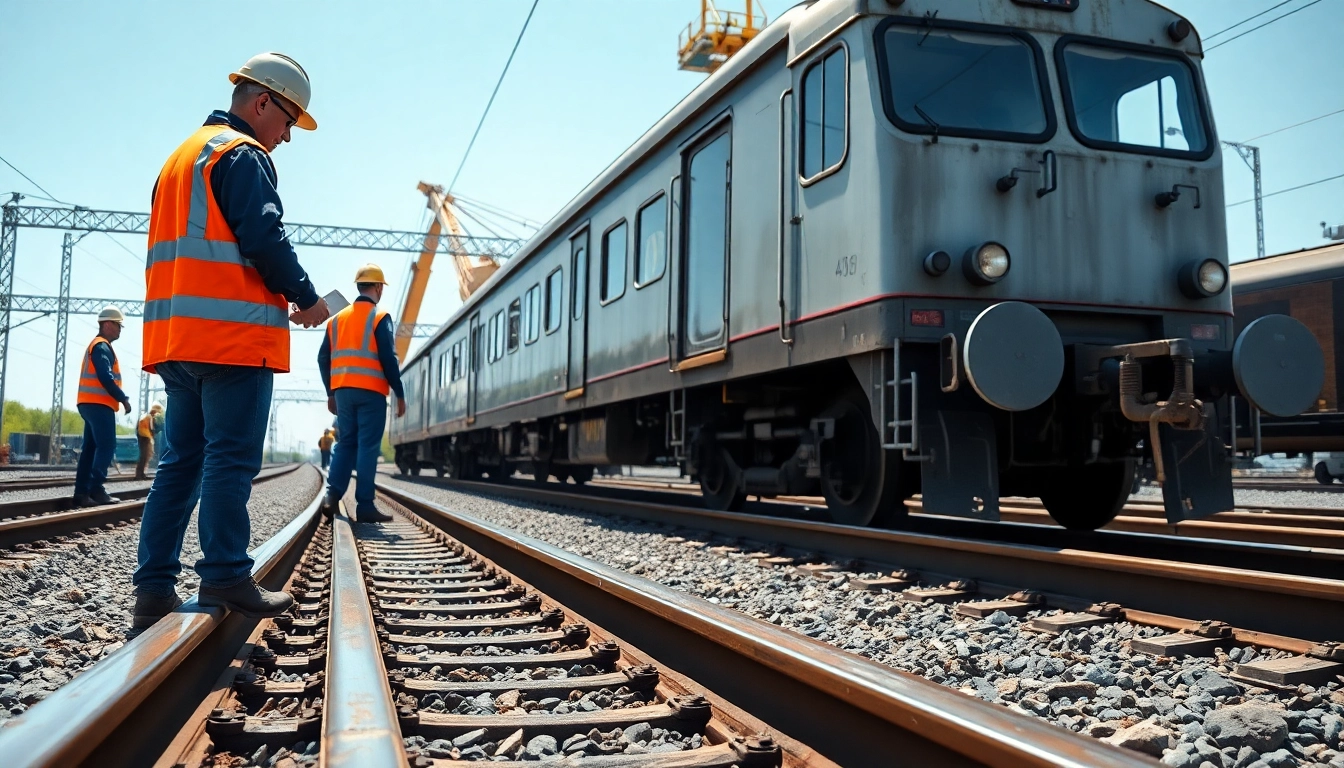
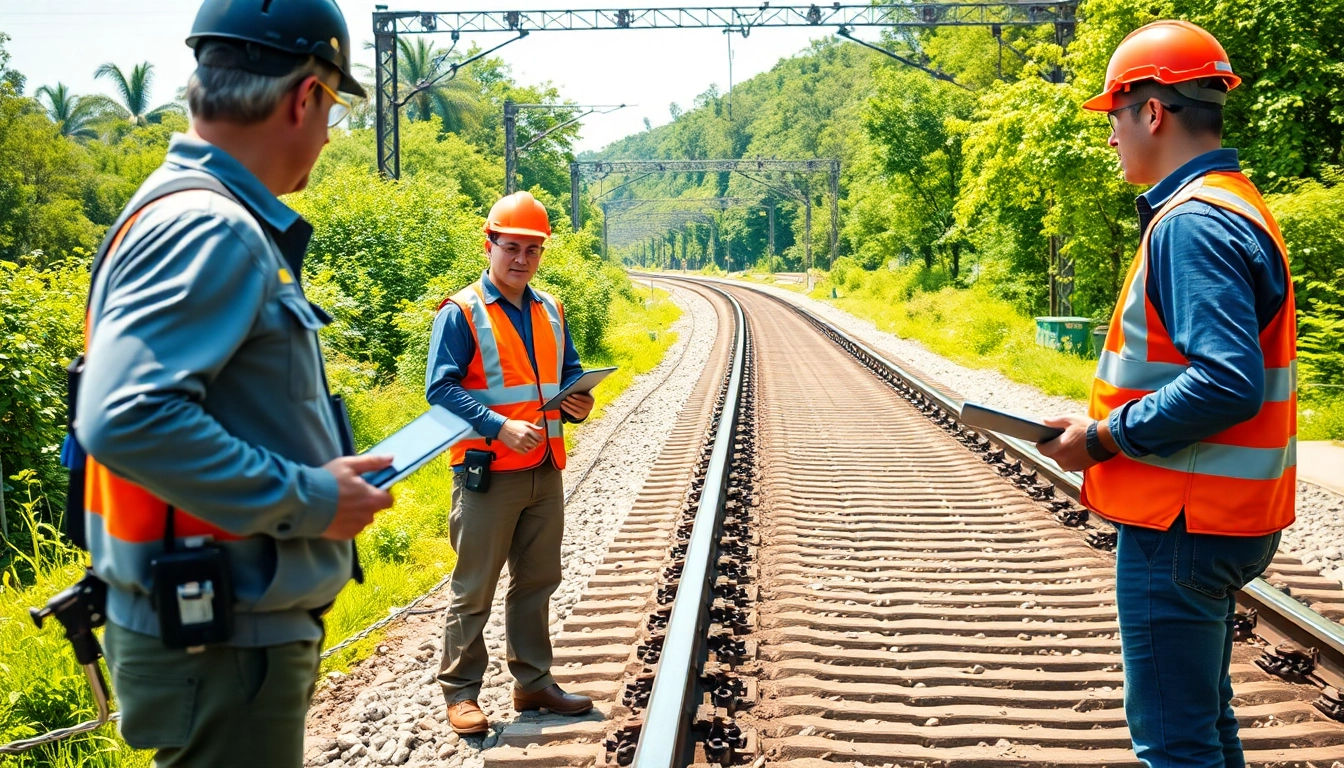
Manual track inspections involve trained personnel who physically examine the tracks for signs of wear, damage, or other anomalies. Techniques include visual checks, measuring track alignment, and assessing the integrity of rail ties and fastenings. While this method can be time-consuming, skilled inspectors can identify subtle indications of deterioration by closely examining track conditions, which automated systems may miss.
Automated Track Inspection Technologies
Automated track inspection technologies utilize sensors and sophisticated data analytics to monitor track conditions in real-time. Innovations such as vehicle-mounted inspection systems allow for rapid data collection across extensive track sections. These systems can identify defects like cracks, gauge variations, and rail wear at a much quicker pace than manual inspections, providing an invaluable resource for maintenance planning.
Comparison of Track Inspection Methods
The choice between manual and automated track inspection methods hinges on factors like cost, speed, and accuracy. While automated systems can provide comprehensive insights over vast distances, manual inspections remain essential for nuanced evaluations that require human expertise. An effective track inspection strategy may incorporate both methods, combining the strengths of each to achieve the highest standards of rail safety.
Choosing the Right Track Inspection Tools
Selecting appropriate tools for track inspection plays a pivotal role in facilitating thorough assessments. Different tools are designed to meet various inspection demands, focusing on data accuracy and ease of use.
Essential Equipment for Track Inspection
Some fundamental equipment for manual inspections includes rail gauges, track alignment tools, and ultrasonic testing devices. Automated inspection often relies on specialized vehicles equipped with high-resolution cameras, LIDAR technology, and other advanced sensors to accurately capture data on track conditions.
Innovation in Track Inspection Tools
Innovation continues to reshape the landscape of track inspection tools. Emerging technologies like drone inspections and artificial intelligence (AI) are gaining traction, enabling data collection from hard-to-reach areas and interpreting complex datasets faster and more accurately. These advancements support predictive maintenance strategies, allowing railways to address potential issues before they escalate into critical failures.
Factors to Consider When Selecting Tools
When choosing inspection tools, several factors must be considered. These include the specific features required for desired inspections, the environment in which inspections will occur, compatibility with existing systems, training and support for employees, and overall cost-effectiveness. A well-rounded selection will enhance the efficacy of track inspections and promote long-term railway safety.
Best Practices for Track Inspection
Implementing best practices in track inspection can significantly enhance the reliability and safety of rail systems. A proactive and organized approach is essential for effective track maintenance.
Establishing a Track Inspection Schedule
Creating a systematic inspection schedule based on traffic levels, environmental conditions, and historical data helps prioritize inspections effectively. Seasonally adjusted schedules can ensure that tracks are examined more frequently during adverse weather conditions, minimizing risks associated with track deterioration.
Training Staff for Effective Track Inspection
Investing in comprehensive staff training is crucial for the successful implementation of track inspection strategies. Regular workshops, certification programs, and hands-on training enable inspectors to stay updated on the latest practices and technologies. Knowledgeable personnel are essential in identifying and mitigating potential risks successfully.
Documentation and Reporting in Track Inspection
Thorough documentation and reporting are vital components of track inspection processes. Maintaining detailed records of inspections, findings, and subsequent actions not only aids compliance but also allows for data analysis over time. Trends can be identified through consistent documentation, enhancing future inspection strategies.
Future Trends in Track Inspection
The future of track inspection is poised for transformation, driven by advancements in technology and a growing emphasis on data analytics.
Emerging Technologies in Track Inspection
Emerging technologies such as machine learning and predictive analytics are beginning to influence track inspection methodologies. By harnessing vast amounts of historical data, rail operators can forecast maintenance needs and focus resources effectively, optimizing both time and expenses.
Data-Driven Approaches to Enhancing Track Inspection
Data-driven approaches are reshaping track inspection by allowing for ongoing monitoring and analysis of track performance. This shift toward continuous data collection supports more detailed insights, enabling operators to make informed decisions to improve safety and reliability.
The Role of AI and Automation in Track Inspection
The integration of AI and automation in track inspection represents a significant leap towards enhanced efficiency and safety. AI can help analyze trends and predict potential failures, while automated inspection vehicles reduce human error and increase inspection frequency. The combination of these technologies promises a more robust railway infrastructure in the years to come.
FAQs about Track Inspection
1. How often should track inspections be conducted?
Frequency depends on factors like traffic volume, track conditions, and local regulations. Regular schedules should be defined based on risk assessment.
2. What are the key indicators of track issues?
Key indicators include visible wear on rails, misalignments, track bed erosion, and any unusual vibrations during train operations.
3. Can automated inspections replace manual inspections?
While automated inspections enhance efficiency, manual inspections remain essential for nuanced assessments and human expertise in identifying specific issues.
4. What tools are commonly used in track inspections?
Common tools include rail gauges, ultrasonic testing devices, cameras, and LIDAR technology for comprehensive assessment of track conditions.
5. How does data analysis contribute to track safety?
Data analysis enables predictive maintenance, helping identify potential failures before they occur and allowing for proactive intervention.
Contact Information
Call Us: 1 (403) 452-4508
Email: [email protected]
Address: 3950 Fossil Creek Blvd Suite 106, Fort Worth, TX, USA 76137