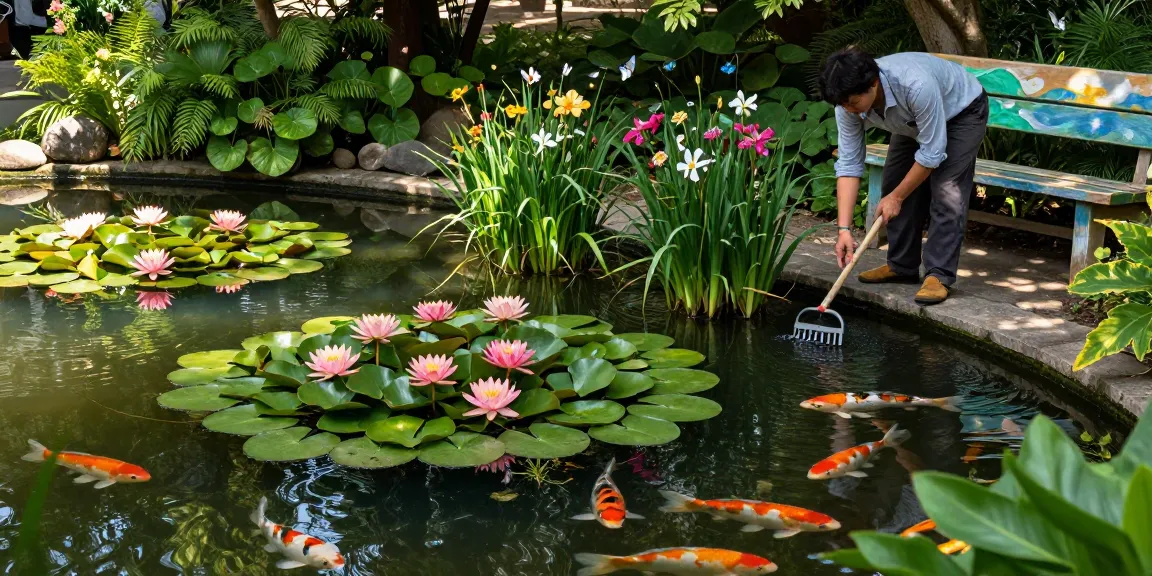
The Importance of Water Lilies in Modern Gardening
Water lilies are more than just beautiful aquatic plants; they play a pivotal role in the ecological health of ponds and waterways. Their presence not only enhances the aesthetic appeal of any garden but also contributes significantly to the overall ecosystem. As gardeners increasingly seek sustainable practices and natural beauty, understanding the importance of Water Lilies becomes essential.
1.1 Why Water Lilies Are Essential for Ecosystems
Water lilies provide habitat for various aquatic life forms, offering shelter and breeding grounds. Their broad leaves create shade, reducing water temperature and combating algae growth, which can otherwise deplete oxygen levels. Furthermore, as water lilies photosynthesize, they release oxygen into the water, benefiting fish and other marine organisms.
1.2 The Aesthetic Appeal of Water Lilies in Gardens
Incorporating water lilies into garden designs adds a unique charm and sophistication. Their vibrant blooms, available in a spectrum of colors from white to deep purple, can transform a simple pond into a vibrant focal point. The interplay of light reflected on their surface creates a serene ambiance that enhances outdoor spaces.
1.3 Benefits of Incorporating Water Lilies in Your Pond Design
- Natural Filtration: Water lilies can help filter out pollutants, keeping ponds clean.
- Wildlife Attraction: They attract pollinators and provide a habitat for insects, amphibians, and fish.
- Temperature Regulation: Their foliage helps maintain cooler water temperatures, promoting a healthier aquatic environment.
Choosing the Right Water Lilies for Your Pond
2.1 Popular Varieties of Water Lilies: An Overview
There are numerous varieties of water lilies, each suited to different pond conditions. Nymphaea, for instance, is one of the most popular genera, comprising numerous species such as Nymphaea alba (white water lily) and Nymphaea odorata (fragrant water lily). These varieties are often chosen for their hardiness and stunning blooms.
2.2 Factors to Consider When Selecting Water Lilies
When selecting water lilies, consider the pond’s sunlight exposure, water depth, and climate. Most water lilies thrive in full sun with a depth of around 12-24 inches, while some varieties can survive in partial shade. Understanding these needs can help you select the most suitable plants for your environment.
2.3 Tips for Sourcing Healthy Water Lily Plants
- Purchase from reputable nurseries that specialize in aquatic plants.
- Look for healthy, vibrant plants without any discoloration or damage.
- Check for signs of pests or diseases, such as spots on the leaves.
Creating the Ideal Habitat for Water Lilies
3.1 Pond Construction Considerations for Water Lilies
A well-constructed pond is essential for the successful growth of water lilies. Ensure that your pond has a variety of depths and gently sloping edges, which can facilitate plant growth and accessibility for wildlife. Using a liner can help retain water and prevent seepage.
3.2 Optimal Water Conditions for Thriving Water Lilies
Water quality is crucial for water lilies to flourish. Ideal conditions include a pH level between 6.5 to 7.5 and a moderate level of nutrients. Regular water testing helps maintain these parameters, ensuring that your aquatic plants remain healthy.
3.3 Companion Plants that Enhance Water Lily Growth
Consider pairing water lilies with other aquatic plants to create a balanced ecosystem. Plants like Pickerel Rush and Lizard’s Tail can provide additional benefits, including habitat for fish and natural pest control. These companions help establish a diverse pond environment.
Care and Maintenance of Water Lilies
4.1 Seasonal Care: What to Do Throughout the Year
Water lilies require different care throughout the seasons. In spring, it’s vital to inspect and prune the plants to encourage new growth. During the summer, monitor for algae and pests. In the fall, you may need to trim back the foliage, and in winter, if you live in colder regions, consider bringing them indoors or applying mulch for frost protection.
4.2 Common Pests and Diseases Affecting Water Lilies
Water lilies can be susceptible to pests such as aphids and snails, and diseases like root rot can also occur. Regular inspection and maintenance can help prevent infestations and ensure the health of your plants. Utilize organic pesticides and ensure good water circulation to minimize these issues.
4.3 Advanced Techniques for Water Lily Propagation
Water lily propagation can be achieved through division or seed planting. Dividing established plants every few years can promote healthier growth and flowering. Ensure that divisions have sufficient root systems before replanting them in your pond.
Future Trends in Water Lily Cultivation
5.1 Innovations in Aquatic Plant Research
The world of aquatic plant research is evolving rapidly, with scientists developing new water lily varieties that are more resilient to climate changes and pests. These innovations will help gardeners adapt to fluctuating weather patterns while expanding the diversity of water lilies available.
5.2 The Role of Sustainability in Water Lily Cultivation
As sustainability becomes a growing concern, more gardeners are seeking to cultivate water lilies using organic methods. This includes utilizing native species that require fewer resources and incorporating rainwater collection systems to minimize environmental impact.
5.3 Predictions for Water Lily Popularity in Gardening by 2026
Experts predict a rise in the popularity of water lilies as more gardeners recognize their ecological benefits and aesthetic appeal. By 2026, water lilies are expected to feature prominently in sustainable garden designs, both in private homes and public gardens.
What are the best practices for growing Water Lilies?
Best practices include selecting the appropriate variety for your climate, ensuring proper water quality, and regular maintenance. Providing adequate sunlight and choosing companion plants also contribute to their success.
How can Water Lilies improve pond health?
Water lilies improve pond health by providing shade, reducing algae growth, and enhancing oxygen levels through photosynthesis. They also support a diverse ecosystem by attracting pollinators and providing habitats for wildlife.
What challenges do gardeners face with Water Lilies?
Common challenges include maintaining water quality, controlling pests, and ensuring proper sunlight exposure. Seasonal changes can also affect their growth, requiring gardeners to be proactive in their care strategies.
When is the best time to plant Water Lilies?
The best time to plant water lilies is in late spring when water temperatures consistently reach above 70°F (21°C). This timing encourages vigorous growth and blooming during the warmer months.
Are there any innovative methods for maintaining Water Lilies?
Innovative methods include using natural water treatments to enhance water quality and planting companion species that naturally control pests. Additionally, creating a layered pond environment can maximize growth potential and reduce maintenance.